
- Condition
Neuropathy
20M+
people in the U.S. suffer from peripheral neuropathy
Most primary management of neuropathy symptoms does nothing to help the nerves repair themselves or improve function.
Peripheral Neuropathy is a very common problem that over 20 million people in the U.S. suffer from. Customary treatments can range anywhere from over the counter drugs such as Ibuprofen or Aspirin, to even more invasive measures such as surgery to reduce pain and discomfort. Neuropathy is a vast collection of disorders caused by damage to the peripheral nervous system (PNS). Most commonly, Neuropathy affects the arms/hands and/or legs/feet and are usually categorized as neurological (nerve damage) or vascular-based (venous damage).
Some of the most common issues that are associated with Neuropathy are diabetes, chemotherapy, prolonged medication use, chronic fatigue, fibromyalgia, alcoholism and trauma but unfortunately for many, the cause is unknown. Management of neuropathy can vary depending on the cause, but the sooner the symptoms are addressed the better the outcome.
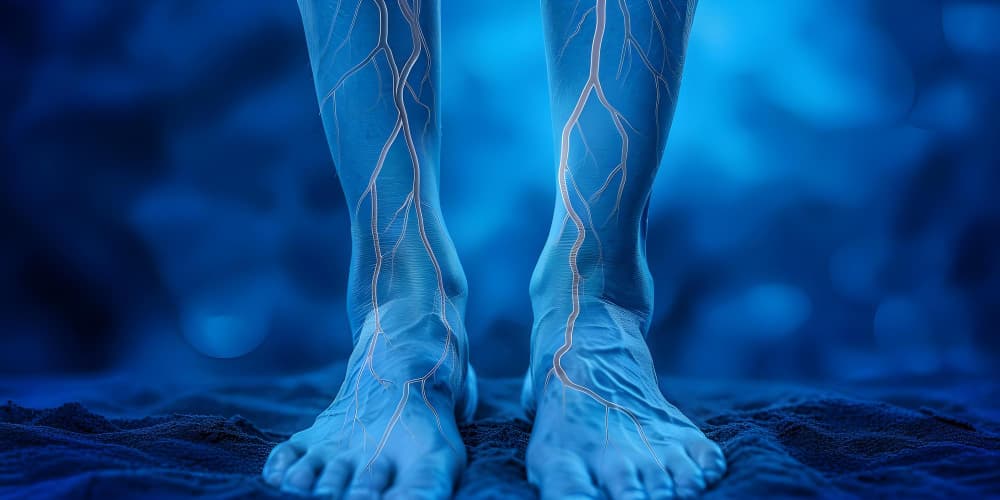
Poor circulation can starve nerves of oxygen — restoring blood flow is often part of the treatment plan.
Diagnosing neuropathy varies patient to patient but will include a few painless, non-invasive tests performed in-office, beginning with Electrodiagnostic Studies (NCV/EMG) to detect nerve and muscle damage. An Ultrasound Test can also be performed on the veins in the lower extremities to determine if venous reflux is present. In certain individuals it may be necessary to undergo additional testing including an MRI or Blood Work to rule out other causes and detect vitamin or mineral deficiencies, diabetes markers, or auto-immune conditions.
At Wesley Chapel Spine and Sports Medicine our groundbreaking treatment protocol not only helps relieve the symptoms of Neuropathy but also works to restore the function of damaged nerves — this cutting-edge combination of therapies has helped our patients achieve long-lasting relief without pain medications or unnecessary surgical procedures.
Common Signs & Symptoms
Symptoms vary widely, which is why in-office diagnostic testing comes before any treatment plan.
01
Cramps, pain, tingling and numbness in the toes, hands, feet, legs or elsewhere
02
Low blood sugar symptoms
03
Muscle loss
04
Loss of balance and coordination
05
Burning Sensations
06
High Sensitivity to Touch
07
Low blood pressure after standing
08
Sharp or Throbbing Pain
09
Feeling of wearing gloves or socks when you are not
10
Heat Intolerance
How We Treat It
01
Peripheral Nerve Blocks & Regenerative Medicine
02
Neuro-Muscle Stimulation
03
Physical Therapy Services
Combines Neuro-Muscle Stimulation to reduce inflammation, improve circulation and stimulate damaged nerve fibers.
04
Whole Body Vibration Therapy
05
Manual Therapy
06
Physical Therapy
07
Lifestyle Counseling
- Our promise
Related Conditions
Back and Neck Pain
Orthopedic Conditions
Discover the Freedom of a Pain-Free Life!
Most Major Insurances Accepted. We do not participate in Medicaid plans.
- Visit us
20433 Bruce B Downs Blvd, Tampa, FL 33647
Office Hours
- Monday: 9am to 7pm
- Tuesday: 3pm to 7pm
- Wednesday: 9am to 7pm
- Thursday: 10am to 7pm
- Friday–Sunday: Closed